
Some things in Bali stand out — others slip quietly into the background until someone points them out. The Tridatu bracelet is one of those things. It’s not flashy. It doesn’t scream for attention. But ask anyone who wears one, and you’ll quickly learn it’s anything but random.
Before you write it off as just another thread bracelet, there’s a whole world of meaning behind those three colours — and it goes way deeper than you’d expect.
What in the Tridatu Bracelet in Bali?

If you’ve spent more than a day in Bali, you’ve probably seen locals — and some clued-in tourists — wearing a simple red, white, and black thread around their wrist. That’s the Tridatu bracelet, and no, it’s not just a fashion accessory.
This unassuming trio of threads holds deep spiritual meaning in Balinese Hinduism. It’s tied on during religious ceremonies, gifted at temples, or worn daily as a quiet symbol of balance, protection, and devotion.
The name “Tridatu” literally means “three colors,” and those colors aren’t random. Each one represents a different aspect of the Hindu trinity:
- Red for Brahma, the creator
- White for Shiva, the destroyer
- Black for Vishnu, the preserver
Together, they represent life’s natural cycle — creation, destruction, and everything in between. In Bali, this idea isn’t just symbolic. It’s how people understand the world and their place in it.
So when someone ties a Tridatu bracelet on your wrist, it’s not just a keepsake. It’s a reminder to walk through life with balance, humility, and respect for the unseen.
Tridatu Bracelet Meaning and Symbolism

The Tridatu bracelet might look simple, but it’s packed with layers of meaning — the kind that runs deep in Balinese culture and everyday life.
At its core, the bracelet is a symbol of balance. Those three colors aren’t just for show — they each represent a god from the Hindu Trimurti, the holy trinity in Balinese Hinduism.
Together, they symbolize the full cycle of life — birth, death, and everything that happens in between. Wearing the bracelet is a way to carry that energy with you. Not to control it, but to stay aligned with it.
The Concept of Rwa Bhineda (Balance of Opposites)
This bracelet also ties into a core Balinese belief called Rwa Bhineda, which roughly translates to “two opposites.” Think: good and bad, dark and light, joy and sorrow. The idea is that balance comes from accepting both sides — not denying one or chasing the other.
In other words, the Tridatu bracelet is a tiny spiritual cheat code. It’s a reminder that opposites exist for a reason — and that peace comes from keeping them in harmony.
Protection from Negativity
Locals believe the Tridatu bracelet also offers protection — not just physically, but spiritually. It helps ward off negative energy and keep you grounded. That’s why it’s often tied during temple ceremonies, after blessings, or before someone embarks on a journey. It’s a kind of portable prayer.
When & Where Do Balinese Wear Tridatu?

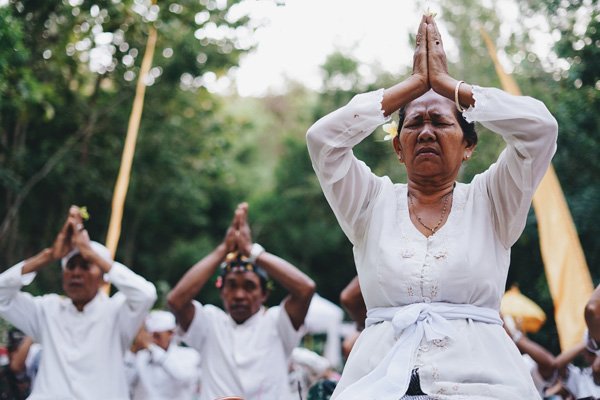
You’ll often see Balinese people wearing a Tridatu bracelet after a religious ceremony — especially ones involving purification, blessings, or Bali temples visits. It’s usually tied on by a priest (pemangku) or an elder, right after the ritual ends. No fanfare, no sales pitch — just a quiet gesture that says, you’re protected, you’re blessed, carry that with you.
The placement of the bracelet can depend on gender and context:
- Right wrist for men
- Left wrist for women
That said, it’s not a strict rule. Some people wear it on the ankle or tie it around sacred objects, shrines, or even motorbikes — as a kind of mobile offering or spiritual shield.
Many locals wear it until it falls off naturally. When it does, that’s seen as a sign that its spiritual protection has served its purpose.
It’s not about showing off — it’s about staying connected. Whether you’re going to the market or heading into the mountains, that little thread is a reminder that the gods are always watching, and balance is always needed.
Can Tourists Wear a Tridatu Bracelet?

Short answer? Yes — as long as you wear it with respect.
In Bali, the Tridatu bracelet isn’t a souvenir — it’s a spiritual item. So if you’re wearing one just because it looks cool or matches your outfit, you’ve kind of missed the point.
But if you’re genuinely interested in Balinese culture and receive the bracelet through a ceremony, a temple visit, or from someone who explains its meaning, then it’s totally fine — and even appreciated. Locals generally love it when visitors show real curiosity and respect for their traditions.
Here are a few quick tips if you’re thinking of wearing one:
- Don’t buy mass-produced ones from beach stalls just to wear as jewelry.
- Try to receive it from a temple, after a blessing, or during a cultural experience where it’s explained.
- Don’t cut it off unless necessary. Let it fall off naturally — that’s part of the cycle.
Wearing a Tridatu bracelet as a tourist isn’t cultural appropriation — it’s cultural participation. Just do it with the right attitude.
Tridatu Bracelet vs. Other Balinese Spiritual Items
Bali’s culture is full of visible signs of devotion — and the Tridatu bracelet is just one piece of a much bigger picture.
Here’s how it stacks up against other common spiritual symbols:
Canang Sari
These are the daily flower offerings you’ll see everywhere — on sidewalks, shrines, dashboards. Unlike the bracelet, Canang Sari are made fresh every day and placed to maintain spiritual balance and show gratitude to the gods.
Penjor
Those tall, decorated bamboo poles lining the streets during major holidays? Those are penjors — symbols of prosperity and offerings to Mount Agung, Bali’s most sacred volcano. Like Tridatu, they’re tied to ceremony and spiritual meaning but are more temporary and community-based.
Udeng
That traditional headpiece worn by Balinese men during temple ceremonies? That’s an udeng. It’s about respect and spiritual focus — kind of like dressing up for the gods. The Tridatu bracelet, on the other hand, is more personal and subtle, meant to be worn daily.
Where to Buy a Tridatu Bracelet in Bali

If you’re looking to get a Tridatu bracelet, the best way is to receive one during a temple visit or ceremony. That’s how most locals get theirs — tied on by a priest after a blessing or purification ritual. It’s personal, meaningful, and carries real spiritual weight.
But if you’re not attending a ceremony, you still have a few respectful options:
- Temples and local shrines – Many major temples (like Tirta Empul or Besakih) will have offerings or stalls nearby where you can receive one, often for a small donation.
- Cultural centres or spiritual workshops – Some offer sessions where you can learn about Balinese Hinduism and may include a Tridatu bracelet as part of the experience.
- Art markets and spiritual shops – Places like Ubud art Markets or small shops in Sidemen and Sanur often sell them. Just make sure they’re not packaged like souvenirs — the real ones are made simply, without bells and whistles.
If you’re booking our Bali temples tour, there’s a good chance you’ll be offered a Tridatu bracelet as part of the experience — especially at places like Tirta empul or Besakih temple
Whatever you do, skip the mass-produced versions in touristy beach stalls. If it’s wrapped in plastic with a cheesy tag that says “Bali lucky bracelet,” it’s probably not the real deal.
FAQs about the Tridatu Bracelet
What does the Tridatu bracelet symbolize in Balinese culture?
The Tridatu bracelet represents the Hindu trinity — Brahma (creation), Vishnu (preservation), and Shiva (destruction) — through the colors red, black, and white. It’s a symbol of balance, protection, and spiritual alignment in everyday life.
Can tourists wear the Tridatu bracelet in Bali?
Yes, tourists can wear it — as long as it’s done respectfully. It’s best to receive one during a ceremony or from a temple, rather than buying a cheap knockoff from a tourist stall. It’s not a fashion accessory — it’s a spiritual item.
What are the meanings of the red, white, and black colors in the Tridatu bracelet?
Red: Brahma, the creator
White: Shiva, the destroyer
Black: Vishnu, the preserver
Together, they reflect life’s natural cycles and the idea of maintaining harmony between opposites.
Is the Tridatu bracelet considered a religious item?
Yes. It’s a sacred object in Balinese Hinduism, often tied after prayers or rituals by a priest. It carries spiritual meaning and is believed to offer protection to the wearer.
Where can I obtain a Tridatu bracelet in Bali?
You can receive one at temples, cultural ceremonies, or spiritual workshops. Some art markets and spiritual shops sell them too — just avoid overly commercial, mass-produced versions.
How should the Tridatu bracelet be worn properly?
Traditionally, men wear it on the right wrist and women on the left, but there’s flexibility. Many people just wear it wherever it feels right. The important thing is not how you wear it — it’s why.
What is the origin of the Tridatu bracelet tradition?
The tradition comes from Balinese Hinduism and the concept of Tridatu — the three sacred colors tied to the Trimurti (Hindu trinity). The practice has been around for generations and is closely linked to rituals, ceremonies, and spiritual protection.
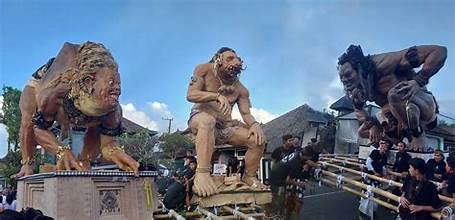
It’s also sometimes worn during important rites of passage like Ngaben, the Balinese cremation ceremony, as a symbol of spiritual protection and a reminder of life’s cycles.
Is it appropriate to remove the Tridatu bracelet, and if so, how?
It’s usually worn until it falls off naturally, which is seen as a sign that its purpose has been fulfilled. But if you need to remove it, do so with intention — ideally by burning or burying it, not just tossing it in the trash