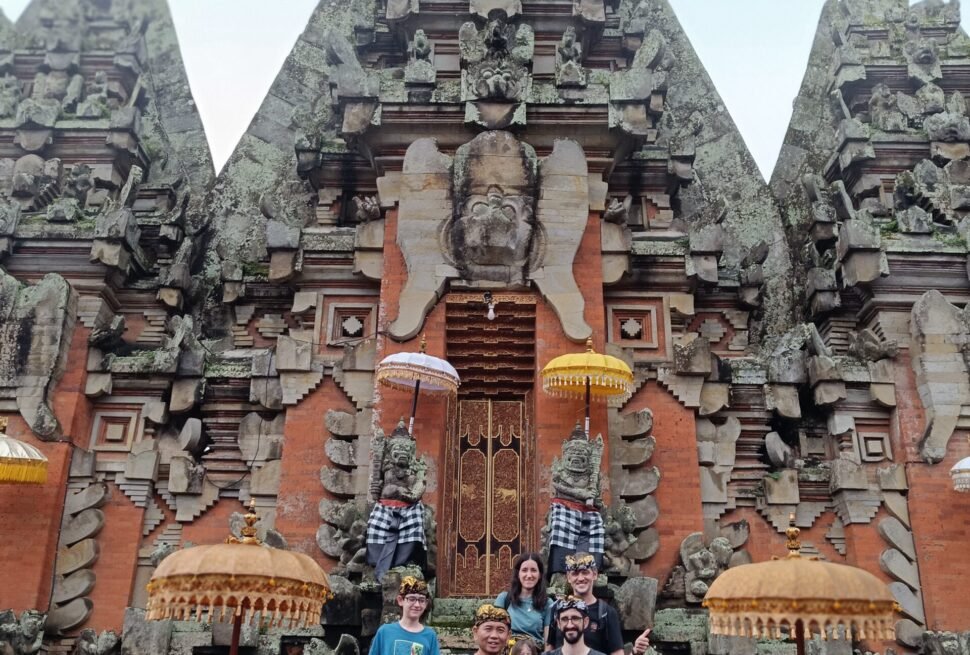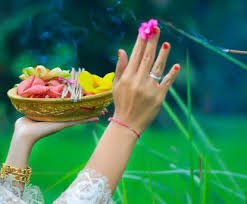
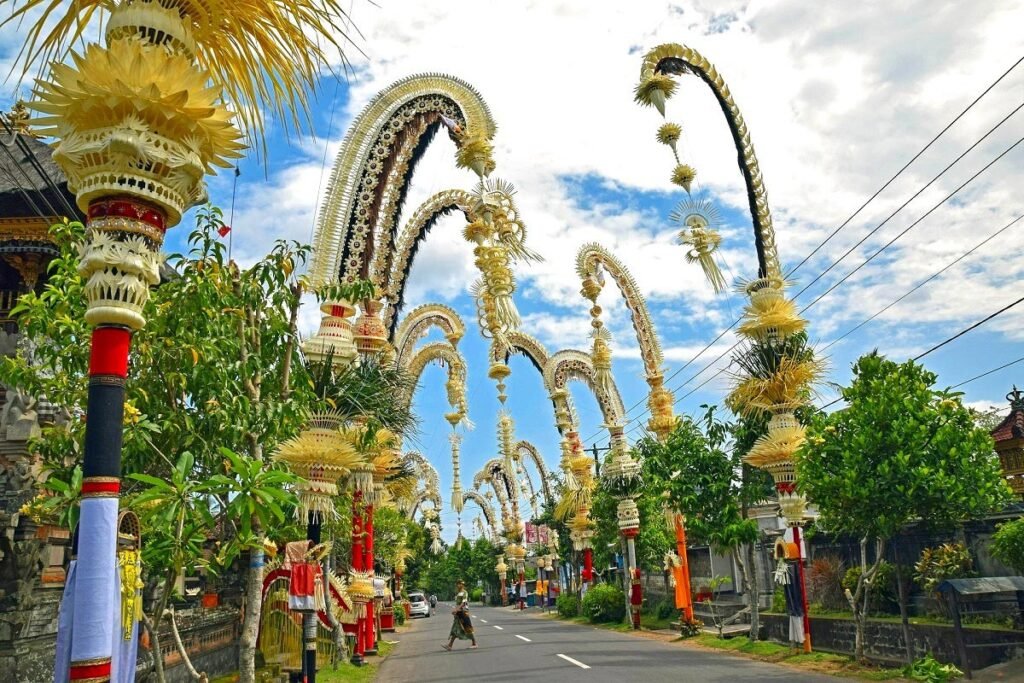
Bali Galungan & Kuningan day is a big holiday for Hindus in Bali and on this day many Hindus come to the temple to pray and ask for blessings from God and its manifestations. Galungan and Kuningan Day is a holiday to celebrate the victory of celebrating the victory of Good (Dharma) against Evil (Adharma) where Balinese people will pray to big temples and family temples to celebrate this Galungan and Kuningan holiday. And it is held every six months based on the Balinese calendar, where one month has 35 days, and on the Galungan day of Hindus in Bali. A very universal celebration, where all Hindus in Bali regardless of caste, ethnicity and class will celebrate this holiday. So when you visit the island of Bali on Galungan and Kuningan holidays you will see many Hindus praying to the temple. A very spiritual sight, where to see Hindus celebrating their special day by praying in the temple
Galungan and Kuningan
Galungan and Kuningan Ceremony is a holiday that every six months based on the Balinese calendar is always celebrated by Hindus in Bali, as for the fall of Galungan on Wednesday, Wuku Dungulan and eleven days after Galungan will celebrate the Kuningan Day which falls on Saturday, brass wuku. A holiday that has the same meaning but a different day to celebrate it. A very holy celebration, where Hindus will pray at family temples and other large temples to ask for blessings from God and its manifestations, as for the meaning of the guling and brass holidays are as follows.
- Galungan: The word Galungan is taken from the Old Javanese word which means to fight or fight and galungan falls on wuku Dungulan which means surrender to defeat, so it can be interpreted as a fight or war and the surrender of human enemies from the temptation of the Bhuttas Tiga namely Bhuta Dungulan, Bhuta Galungan and Bhuta Accurate. Galungan is also mentioned in the excerpt of the marriage of Bharata Yudha by Mpu Sedah which contains “dungulaning machete” which means the day of surrender to the defeat of human enemies. So Galungan can be interpreted as the day of the battle between good (humans) and evil (evil human nature) which is won by good, and this victory day is celebrated with the name Galungan Day.
- Kuningan: The word Kuningan comes from the word kauning which means achieving spiritual elevation by means of introspection to avoid distress, usually Kuningan is celebrated after celebrating Galungan, and eleven days after Galungan, it will celebrate Kuningan Day which falls on Saturday, Kliwon, Wuku Kuningan. Kuningan Day is a day of perception for Galungan as the victory of dharma against adharam whose worship is aimed at the gods and gods and their manifestations so that they come down to the world to carry out purification and enjoy the offerings offered in this prayer. On this day it is believed that the Gods come down to earth only until noon, so the implementation of the Kuningan Day ceremony and worship is only until noon.
Galungan History
Galungan and Kuningan are very important days for Hindus in Bali, because on Galungan day Hindus celebrate the victory of Dharma against Adharma by praying at family temples and large temples such as Besakih, Lempuyang, Uluwatu, Tanah Lot and others. And on Kuningan day is a very important day too because on this day it is believed that the gods come down to the world and sit in big temples and it is an opportunity for Hindus to worship and make offerings to the gods so that they are blessed and given a harmonious life. The origin of the Galungan and Kuningan holidays is not known for sure, and based on research from inscriptions and lontar as well as community stories circulating. The history that we can tell here is based on the myths circulating in the community about the Galungan holiday and also based on the lontar relics of ancient times which are still stored and preserved.
- Based on Myth: The history of Galungan based on the motto circulating among Hindus says that in ancient times there was an evil king named Mayadenawa, and this king had supernatural powers that were often used to commit crimes during his lifetime. Feeling as the most powerful king, Mayadenawa ordered his people to worship him and forbade worshiping the gods and even forbade going to temples. As a result of the nature of this evil king, a religious leader named Mpu Sangkul Putih meditated to ask for guidance from God, and finally he got instructions to go to Java Dwipa or India to ask for help, and finally he met Lord Indra who controlled the weather. to help Mpu Sangkul Putih to defeat Mayadenawa, and finally Mpu Sangkul Putih returned to Bali and fought a fierce battle with Mayadenawa, with the help of the god of the senses, Mayadenawa was finally defeated, although the various cunning powers used by Mayadenawa against Mpu Sangkul Putih finally remained defeated. This myth has a very deep meaning, where all kinds of evil will surely be defeated by good, and humans are expected to always do good so that life becomes very harmonious.
- Based on Lontar: According to the Lontar Purana Bali Dwipa, if the Galungan holiday was first celebrated in 882 and mention If previously it was said that the Galungan day was held every year by the previous kings, until finally had stopped for years and causing many ruling kings to die at a young age, and at that time Bali was often hit by disasters which makes the Balinese people suffer, until during the reign of King Sri Jayakasunu, the king felt confused about the cause of the previous kings died at a young age and there were frequent disasters, and finally he meditated to seek guidance and get instructions from Dewi Durga who finally told all the bad things that happened in Bali because the Balinese people no longer commemorate Galungan and the goddess Durga gave a hint to King Jayakasunu to revive the tradition of the galungan ceremony which would neutralize Bali from all negative influences that came so that Bali became safe and peaceful. With that advice the King Jayakasunu also ordered his people to return to celebrating Galungan, so that the island of Bali was spared from all disasters and the king lived a long life, so that until now the Galungan holiday is still held.


Galungan First Time Held
As for the origin of the Galungan holiday, it is very difficult to determine exactly when it was first held, which we can trace from ancient relics, namely from the Balinese Dwipa Purana lontar which states that Galungan Day was first celebrated on full moon kapat (Kliwon dungulan buddha) in 882 AD or sakan year 804. In the lontar it is stated that “Punang Aci Galungan Ika Ngawit, Bu, Ka, Dungulan sasih Kacatur, 15th, Isaka 804. Bangun Indria Buwana Ikang Bali Rajya” which means “Celebration of the Galungan feast First of all, it is Wednesday Kliwon, Wuku Dungulan, Sasih Kapat on the 15th in the year 804 Saka. The situation on the island of Bali is like Indra Loka. The lontar can be likened to a holy guide and library kept by Hindus as a guide from ancient knowledge. Without lontar we will not know what happened in ancient times. And now Galungan and Kuningan holidays are held twice a year in the Gregorian calendar. A celebration filled with joy by Hindus to welcome the arrival of the gods into the world by taking a palace in large temples, and the opportunity to welcome the gods by praying.
Stages of the Galungan and Kuningan Ceremony
Galungan and Kuningan holidays are very important holidays for Hindus on the island of Bali, where on Galungan day Hindus celebrate the victory of Dharma (goodness) over Adharma (evil), where on this day Hindus will pray at the family temple, Paibon temple or Dang Khanyangan and Sad Khayangan temples. Before reaching the Galungan holiday, there are several ceremonial processions that are carried out. As for the ceremonial stages before welcoming the Galungan holiday for Hindus in Bali, there are several series of Galungan holiday processions which we have summarized from various sources that you can use as a reference regarding the Galungan holiday.
- Tumpek Wariga: Tumpek Wariga is the name for Saniscara (Saturday) Kliwon wuku Wariga which falls 25 days before Galungan. Tumpek Wariga is also called Tumpek Bubuh, or Tumpek Pengatag, or Tumpek Pengarah. On Tumpek Wariga Ista Dewata day, Sang Hyang Sangkara is worshiped as the God of Prosperity and Plant Safety. Apart from that, the trees will be given a splash of holy water which is requested at a temple. And they are given an offering in the form of a bubuh accompanied by a canang purification, a sesayut tanem tuwuh, and filled with sasat. Once finished, the tree owner will tap or stroke the tree trunk while speaking. The dialogue spoken means the tree owner’s hope that the tree being ceremonious will soon bear fruit or produce fruit. So it can be used for Galungan Day ceremonies.
- Sugihan Jawa: Javanese Sugihan comes from two words, namely Sugi which means clean or holy and Javanese which means outside. In short, the meaning of Javanese Sugihan is a day as a cleansing or purification of everything that is outside of humans. On this day, people carry out a ceremony called Mererebu or Mererebon. This Ngerebon ceremony is carried out with the aim of nomia/neutralizing everything negative that exists in Bhuana Agung. Where it is symbolized by the cleaning of Merajan and the house. Javanese Sugihan is celebrated every Thursday Wage wuku Sungsang.
- Sugihan Bali: Balinese Sugihan has the meaning of purification or cleansing oneself. The procedure for carrying it out is by bathing, doing physical cleansing, and asking Sulinggih for Tirta Gocara. This method is symbolic of cleansing the body and soul to welcome Galungan Day which is getting closer. Usually Sugihan Bali is celebrated every Friday Kliwon wuku Sungsang.
- Penyekeban Day: Penyekeban Day has a philosophical meaning for nyekeb indriya which means to restrain oneself. In order not to do things that are not permitted by religion and is usually celebrated every Pahing wuku Dungulan Sunday.
- Penyajaan Day: Penyajaan comes from the word Saja which in Balinese means true, serious. According to belief, on the day of the presentation, the people will be tempted by the Bhuta Dungulan. And it was carried out to test the level of self-control of Hindus and to move closer to Galungan. Serving Day is celebrated every Monday at Pon Wuku Dungulan.
- Penampahan Day: Penampahan Day is the day before the celebration of Galungan Day, or to be precise on Tuesday Wage wuku Dungulan. On the day of Penampahan, the people will be busy making penjor from curved bamboo sticks filled with decorations in such a way. Penjor means an expression of gratitude to God Almighty for all the gifts received so far. Apart from making penjor, the people also slaughter pigs whose meat will be used as a complement to the ceremony.
- Galungan Day: On the morning of Galungan Day, the people have started the ceremony for Galungan. The ceremony starts with prayers at each house and goes to the temple around the neighborhood. A tradition that is often found in Galungan is the ‘Going Home’ tradition. In this tradition, people from other areas will take the time to pray in their respective areas of birth. For people who have family members who are still in Pertiwi or are buried. So it is mandatory to bring offerings to the grave with the term Mamunjung ka Setra Kuburan during Galungan Day.
- Umanis Galungan Day: On Umanis Galungan, people will carry out prayers and continue with Dharma Santi and visit each other’s relatives. Children will carry out the ngelawang tradition, namely dancing the barong accompanied by gambelan from the door of one resident’s house to another. Residents who own the house will then leave the house carrying canang and sesari/money. This is done because residents believe that the barong dance can ward off all negative auras. And in the end it will bring a positive aura. Umanis Galungan falls on Thursday Umanis Wuku Dungulan.
- Pamaridan Guru Day: The word Teacher Familiarization comes from the words Marid and Guru. It can be interpreted that today is the day to retire the waranugraha of Ida Sang Hyang Widhi Wasa. Where in its manifestation Ida Sang Hyang Widhi Wasa as Sang Hyang Shiva Guru. And Teacher’s Exodus Day is celebrated on Saturday Pon Wuku Galungan.
- Ulihan: The word Ulihan means going home or returning. In this case, ulihan has the meaning of the day the gods or ancestors return to heaven. Of course, by leaving behind blessings and the gift of a long life. The Ulihan procession is celebrated on Kuningan Wage Wuku Sunday
- Pemacekan Agung Day: The meaning of this grand pemacekan is as a symbol of the steadfastness of humanity’s faith over all temptations during the celebration of Galungan Day. The Great Peacekan Day is held on Monday, Kliwon Wuku Kuningan.
- Kuningan Day: The holy Kuningan Day is celebrated by the people by installing tamiang, kolem and endong. The yellow color which is synonymous with the Kuningan holiday means happiness, success and prosperity. Tumpeng on banten which is usually white is replaced with yellow tumpeng. The unique thing about the Kuningan holiday, apart from using the color yellow, is that prayers must be finished before 12 noon. This is because it is believed that offerings and prayers after 12 noon will only be accepted by Bhuta and Kala. This is because the Gods have all returned to Heaven.
- Pegat Wekat Day: Pegat Wekat Day is the final series of processions in the Galungan and Kuningan celebrations. The implementation of Pegat Wekat Day involves praying and removing the penjor that was made on Penampahan Day. The penjor that has been removed is then burned and the ashes are planted in the yard of the house. Pegat Wakan falls on Wednesday Kliwon wuku Pahang, a month after Galungan.
These are several ceremonial processions before the Galungan holiday until the Kuningan holiday. The processions are basically the same, but there are several villages that carry out different processions according to their traditions and customs, but with same goal which is for celebrating the victory of Dharma over Adharma.
The Meaning of Galungan Day
The meaning of the Galungan holiday is to celebrate the victory of Dharma (Goodness) over Adharma (Evil), where here evil can be symbolized as negative human desires that are detrimental in social life. This celebration teaches moral and spiritual values to fight human desires, and creates peace and harmony in everyday life. Apart from that, the Galungan Day celebration aims to honor and respect ancestors and spirits who still exist in this world. Hindus believe that on Galungan Day, the spirits of their ancestors descend to Earth to visit their families. Therefore, they make offerings and perform special rituals to welcome the arrival of their ancestors. Galungan marks the victory of dharma over adharma, while Kuningan focuses more on asking for protection and safety from the gods and ancestors
Philosophy of Galungan and Kuningan Days
Galungan and Kuningan holidays are very important holidays for Hindus in Bali, the philosophy of Galungan Day is to celebrate the victory of Dharma (goodness) against Adharma (Evil). Galungan Day has the meaning to unite spiritual strength in order to get a calm mind and stance which is a symbol of Dharma and it is hoped that good and positive thoughts can win against lust and negative things which are symbolized as Adharma. While the Kuningan Day is to ask for safety, protection and inner and outer guidance to Gods, Bhatara and other manifestations of God who will give blessing to his people to live a life in full harmony. So it is expected for Hindus in Bali to always have positive thoughts in living life, so that everything goes in harmony and happiness will be created by itself. A holiday meaning that is very important in guiding its people to the path of truth and always remembering the power of God Almighty. For people who cannot go home to pray at the family temple or big temple, they can pray at Jaganatha temple